Free online visit · No insurance needed · Ships free in discreet packaging
Coming soon
TB-500 · Prescription repair peptide
Reclaim your recovery.
Pulled hamstring. Cranky Achilles. A knee that won’t settle. TB-500 is the repair peptide cut from thymosin beta-4, a protein in nearly every cell, studied for how the body gets repair cells into an injury. Prescribed online by a licensed U.S. provider. Not a research chemical.
Seven amino acids. Studied for the whole body you train.
Tendons
In a 2026 head-to-head in rats, TB-500 made healing Achilles tendons significantly stronger.
Rat study
Ligaments
Studied for knee ligament (MCL) healing: more organised fibres and a stronger ligament.
Rat · Tβ4
Muscle
Studied for muscle regeneration: more regenerating fibres in mice.
Mouse · Tβ4
Bone
Studied for fracture healing: stronger, stiffer healing bone in mice.
Mouse · Tβ4
Cell movement
TB-500 is the actin-binding piece of thymosin β4, studied for how repair cells move.
Lab studies
Blood flow
Healing runs on blood supply. Studied for growing new blood vessels in wounds.
Rat · Tβ4
Inflammation
Studied for settling inflammation after an injury: fewer inflammatory cells.
Mouse · Tβ4
Skin & wounds
Studied for wound healing in rats, and as a gel in early trials in people.
Rat + early human · Tβ4
Most of this research used thymosin β4, the full protein TB-500 is cut from, and most of it is in animals; studies in people are limited. TB-500 isn’t FDA-approved, results vary, and your provider decides if it’s right for you.
Sound familiar?
The injury that keeps coming back.
Rest it. Stretch it. Feel fine. Pull it again. Muscle and tendon tears heal slowly, and often with scar tissue that’s weaker than what was there before.
Pull it again
Hamstrings
The pull that comes back
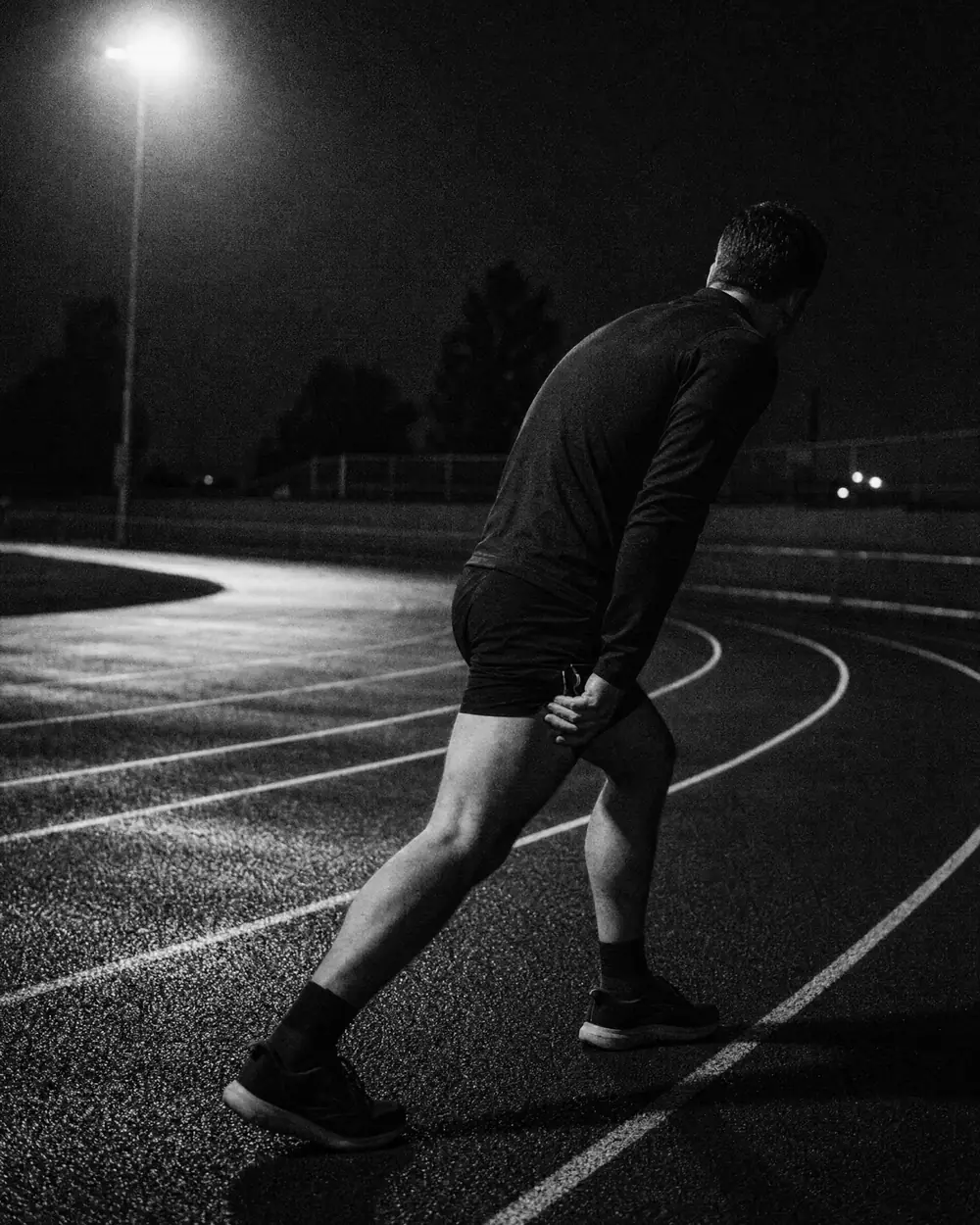
A hamstring that grabs mid-sprint, and goes again just when it felt fine.
Lower back
Every hinge
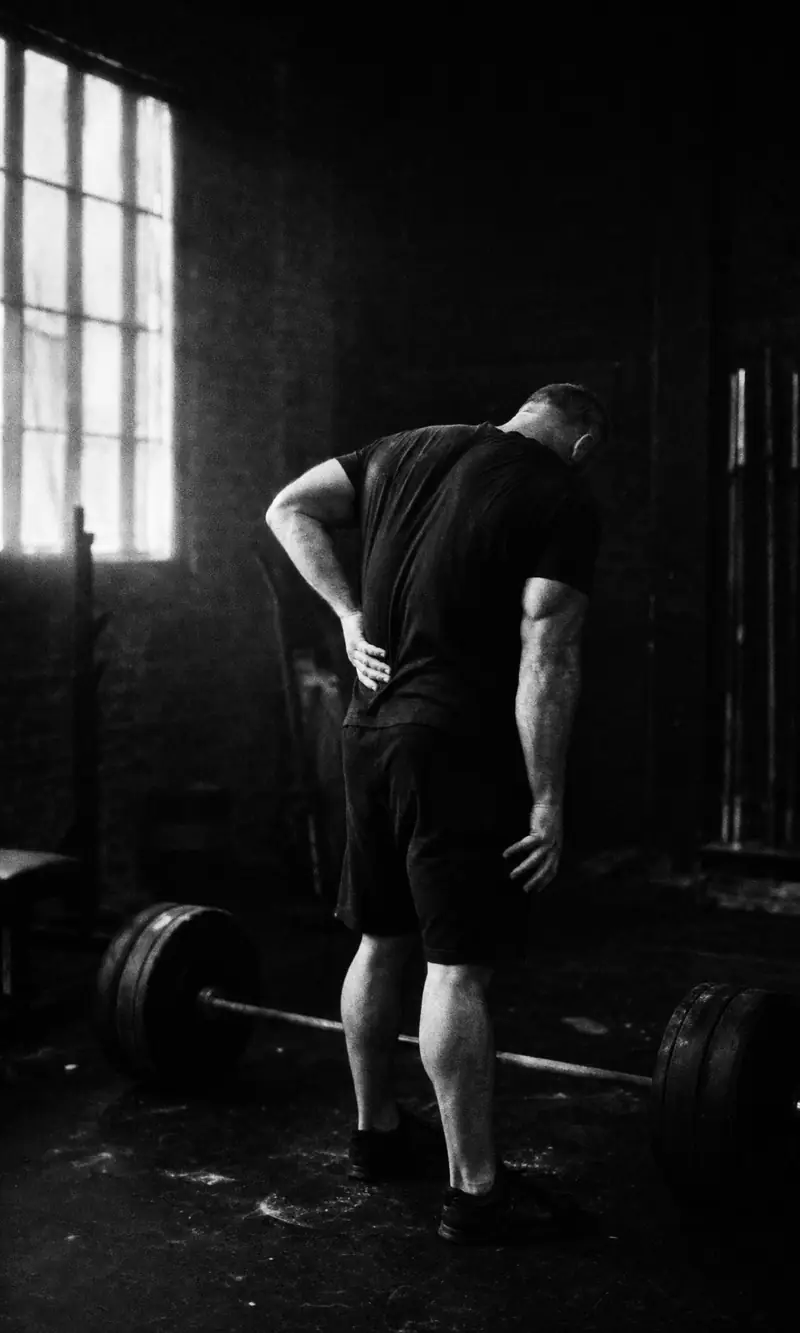
A back that tightens on every deadlift, every lift off the floor, every long drive.
Stiffness
The first hour
A neck, back and hips that take an hour to loosen up every single morning.
Recovery
Flat for days
One hard session, and you’re paying for it the rest of the week.
Pick the injury, then drag the line. This is the comeback TB-500 is built for.
BeforeAfter
Dramatization · models, not patients
01 / 04
Hamstring pull
Before
Pulled up mid-sprint. Every stride after that, you feel it grab.
After
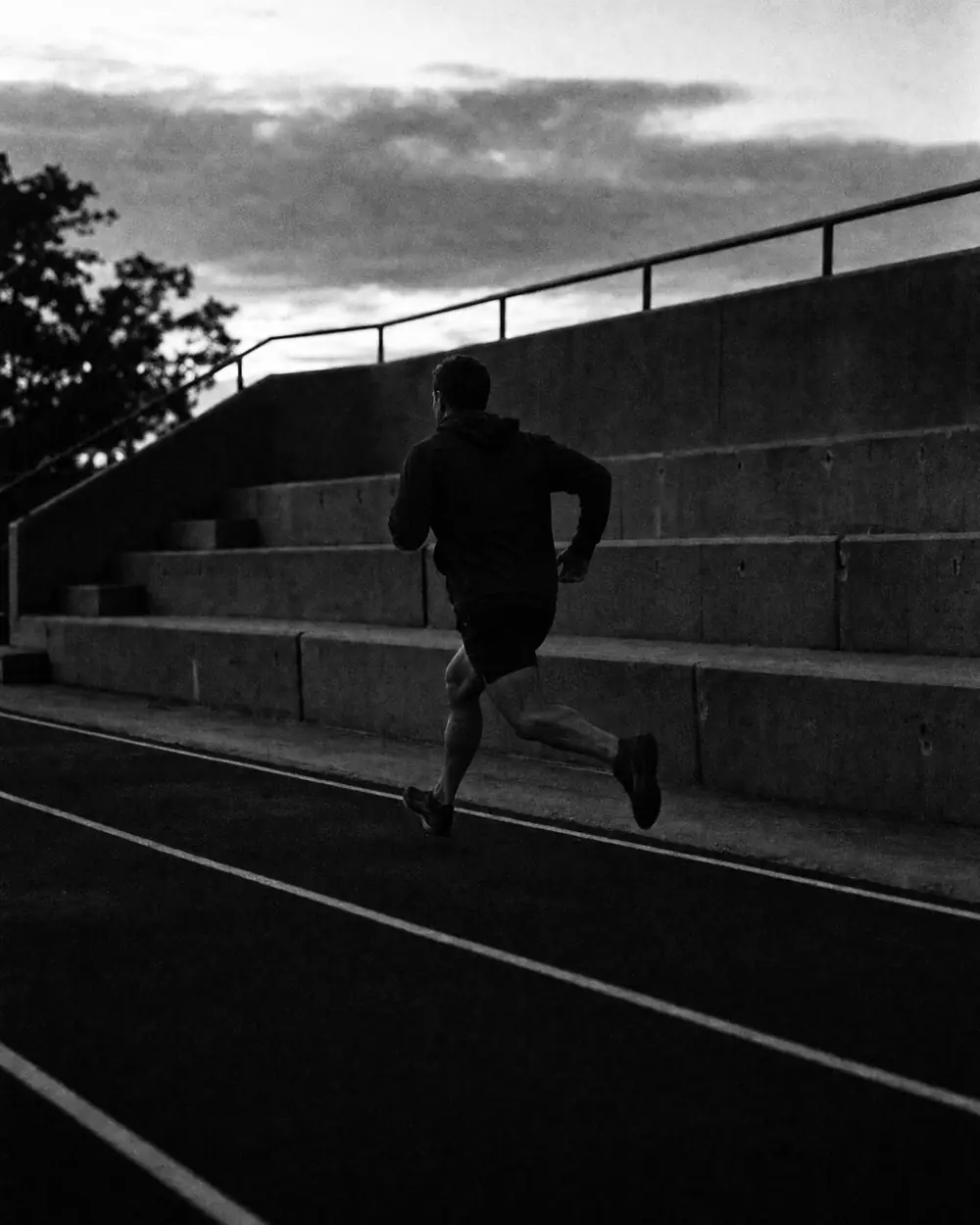
Sprinting the bend again, all the way through the finish.
What the research looked at
In mice with a muscle-wasting disease, thymosin β4, the protein TB-500 is cut from, increased the number of regenerating muscle fibres, though not muscle strength.
Spurney et al., PLoS ONE, 2010 · mouse study
02 / 04
Achilles pain
Before
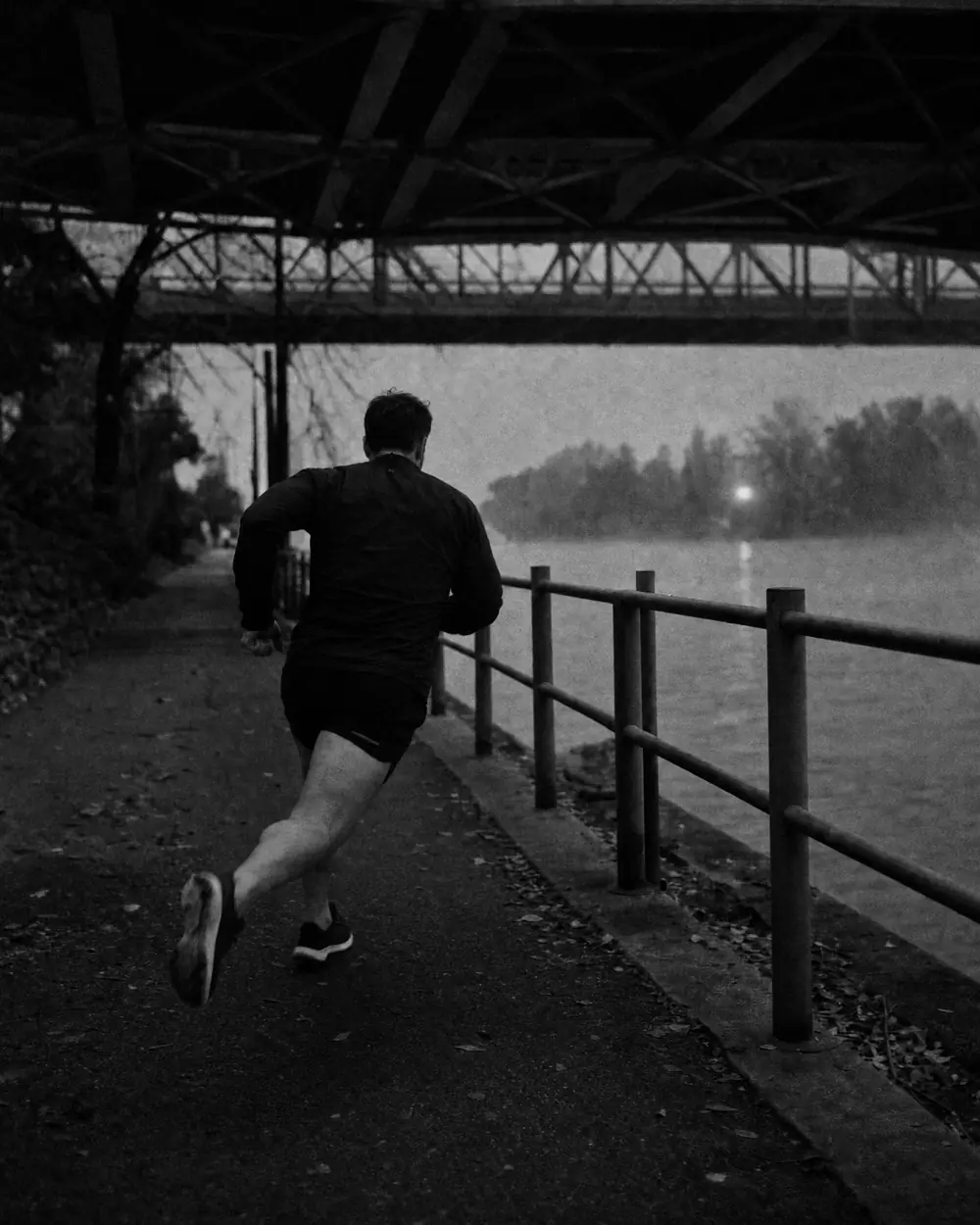
An Achilles that’s tight every morning and angry after every run.
After
Running the river path the whole way, no limp.
What the research looked at
In the first head-to-head study, rats with a cut Achilles tendon got TB-500, BPC-157 or both for four weeks. Only TB-500 made the healing tendon significantly stronger.
Biçer et al., Jt Dis Relat Surg, 2026 · rat study, 8 per group
03 / 04
Knee pain
Before
Every landing, every cut, every step down the stairs.
After
Back in the game, rising for the shot.
What the research looked at
In rats with a cut knee ligament (MCL), thymosin β4 gave more organised fibres and a stronger ligament at four weeks.
Xu et al., Regul Pept, 2013 · rat study
04 / 04
Broken bone
Before
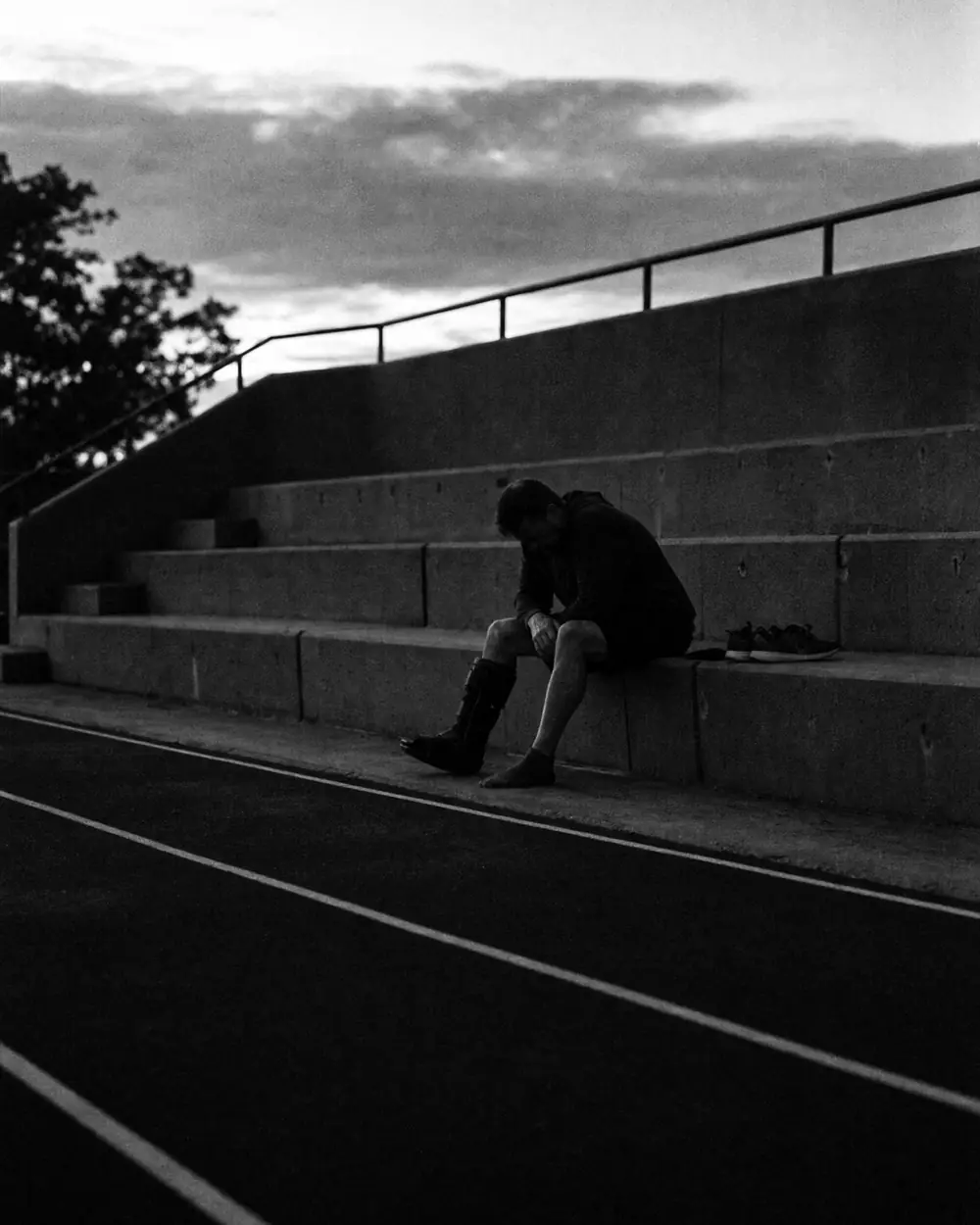
Six weeks in a boot, watching everyone else train.
After
Out of the boot and back on the track.
What the research looked at
In mice with a cut lower-leg bone, thymosin β4 made the healing bone stronger and stiffer.
Brady et al., J Orthop Res, 2014 · mouse study
Coming soon
Dramatized with models. Individual results vary, and TB-500 isn’t FDA-approved.
What it’s for
Made for the injuries that keep coming back.
Pulls, tears, sprains and breaks: the repair TB-500 and thymosin β4 are studied for, injury by injury.
Pulls & strains
Hamstrings, calves, quads: the strain that grabs mid-sprint and keeps coming back.
Muscle · Tβ4 mouse study
Tendinitis & tendinopathy
Achilles, patellar, rotator cuff: the overuse injuries that drag on for months.
Tendon · TB-500 rat study
Sprains & ligament tears
The rolled ankle, the tweaked MCL, the knee that never felt the same.
Ligament · Tβ4 rat study
Fractures & stress fractures
Shins and feet that took one pounding too many, or one bad landing.
Bone · Tβ4 mouse study
Cuts, scrapes & slow wounds
Skin that takes forever to close up after a fall or a procedure.
Skin · Tβ4 rat + early human
Inflammation after injury
The swelling and heat that hang around long after the damage is done.
Inflammation · Tβ4 mouse study
Rehab after surgery
You’re doing the PT work and want every edge. Clear it with your surgeon first.
Ask your surgeon first
Old injuries that flare up
The one that never fully healed, and lets you know about it.
Tissue repair · animal studies
Coming soon
A diagnosis comes first: see a doctor for any new, severe or worsening injury. TB-500 doesn’t replace medical care or rehab, most of its research is in animals and on thymosin β4, and it isn’t FDA-approved.
How repair works
Healing is a delivery problem. TB-500 is studied for exactly that.
Illustration: a torn tendon, new blood vessels growing in and repair cells moving to the tear
01
Slow, messy repair
Muscle, tendon and ligament tears heal slowly, and often with scar tissue that’s weaker than what was there before.
02
New blood vessels
In rat wounds, thymosin β4 sped up healing, with more new tissue and more new blood vessels growing in.
Malinda et al., J Invest Dermatol, 1999
03
Repair cells on the move
Thymosin β4 is the main protein cells use to manage actin, the scaffold they move with. TB-500 is the small piece of it that binds actin.
Safer et al., J Biol Chem, 1991
Full speed
Run like you used to.
Start with a free online visit. A licensed U.S. provider decides if TB-500 is right for you, and you’re only charged if you’re prescribed.
Coming soon
Where does it hurt?
Tap where it hurts.
See what’s going on in that spot, and what TB-500 and thymosin β4 have been studied for there.
01 / 04
Hamstring
What’s going on
Hamstring strains are among the most common injuries in sprinting sports, and they’re notorious for coming back.
What the research looked at
In mice with a muscle-wasting disease, thymosin β4 increased the number of regenerating muscle fibres, though not muscle strength.
Spurney et al., PLoS ONE, 2010 · mouse study
02 / 04
Knee
What’s going on
Ligaments like the MCL keep your knee stable, and once they’re sprained they’re slow to heal.
What the research looked at
In rats with a cut knee ligament (MCL), thymosin β4 gave more organised fibres and a stronger ligament at four weeks.
Xu et al., Regul Pept, 2013 · rat study
03 / 04
Shin & bone
What’s going on
Stress fractures and breaks need new bone, and new bone needs blood supply.
What the research looked at
In mice with a cut lower-leg bone, thymosin β4 made the healing bone stronger and stiffer.
Brady et al., J Orthop Res, 2014 · mouse study
04 / 04
Achilles
What’s going on
The body’s biggest tendon takes your weight with every step, and it’s notoriously slow to heal.
What the research looked at
In a 2026 rat study, TB-500 was the only peptide tested that made healing Achilles tendons significantly stronger.
Biçer et al., Jt Dis Relat Surg, 2026 · rat study
Coming soon
Achilles tendon strength · 4 weeks · rats
TB-500Significantly stronger
BPC-157Not significant
Both togetherNo gain over TB-500
Load the healing tendon took before it failed, compared with untreated rats
Head to head
Only one made the tendon stronger.
In a 2026 study, rats with a cut Achilles tendon got TB-500, BPC-157 or both for four weeks. Only TB-500 significantly raised how much load the healing tendon could take before it failed. Both peptides improved how the tendon looked under the microscope, and taking them together added nothing over TB-500 alone.
Biçer, Adanir et al. · Joint Diseases and Related Surgery · 2026
A small, exploratory study in rats (8 per group), with the peptides injected into the abdomen. Rat results don’t always carry over to people, and TB-500 hasn’t been tested for injuries in people.
Coming soon
7
amino acids: the actin-binding piece of thymosin β4
45+YRS
of thymosin β4 research, since 1981
$0
for your online visit with a licensed U.S. provider
100%
prescribed. Never sold as “research use only”
The research, straight
45 years of research. Here’s what it actually says.
Most of it was done with thymosin β4, the full protein TB-500 is cut from, and most of it is in animals. TB-500 itself hasn’t been tested for injuries in people. We’d rather you hear that from us.
1981
Origins
First sequenced
Researchers publish the full sequence of thymosin β4, a 43-amino-acid protein found in nearly every cell.
LabPNAS
1991
Cells
The actin connection
Thymosin β4 turns out to be the main protein cells use to hold actin, the scaffold they move with.
LabJ Biol Chem
1999
Skin
Wound healing
Wounds healed faster in treated rats, with more new tissue and more new blood vessels.
RatJ Invest Dermatol
2002
Eye
Corneal injury
Injured corneas healed over faster in mice, with fewer inflammatory cells.
MouseExp Eye Res
2010
Muscle
Muscle regeneration
More regenerating muscle fibres in mice with a muscle-wasting disease, though not more strength.
MousePLoS ONE
2012
People
Early human trials
A thymosin β4 gel reaches early trials in people with slow-healing skin wounds.
Human, phase 2Ann N Y Acad Sci
2013
Ligament
Knee ligament (MCL)
More organised fibres and a stronger ligament at four weeks.
RatRegul Pept
2014
Bone
Fracture healing
Healing bone was stronger and stiffer in mice with a cut lower-leg bone.
MouseJ Orthop Res
2026
Tendon
Head to head with BPC-157
In cut Achilles tendons, only TB-500 made the healing tendon significantly stronger.
RatJt Dis Relat Surg
2026
Regulation
FDA advisory vote
An FDA advisory committee voted 8 to 6 to recommend TB-500 for compounding. Advisory only: FDA hasn’t acted yet.
AdvisoryFDA PCAC
Summaries simplified. Lab and animal results don’t always carry over to people, results with thymosin β4 don’t automatically apply to TB-500, and these studies don’t show that TB-500 treats any condition.
Built for rehab
Do the work. Back it up.
TB-500 doesn’t replace your physio or your program. It’s the peptide studied for the repair underneath them.
01
Get it diagnosed
A new, severe or worsening injury needs a doctor first. Then tell your Reclaim provider what’s going on.
02
Do the work
Your physio, your program, your load. TB-500 is studied for the muscle, tendon and ligament repair underneath it.
03
Get back to it
The sprints, the lifts, the games. Your care team is a message away the whole way back.
Coming soon
Why Reclaim
Not a research chemical.
TB-500 sold online as “research use only” isn’t made or labeled for people. Ours is prescribed for you and made by a state-licensed U.S. pharmacy.
What you get
Reclaim TB-500
Research peptide sites
Prescribed by a licensed U.S. provider
Yes
No
Made by a state-licensed U.S. pharmacy
Yes
Often unknown
Made for human use
Yes
“Research use only”
Dose set by your provider
Yes
Up to you
Needles, pads and a dosing guide
Yes
No
Unlimited messaging with your care team
Yes
No
Coming soon
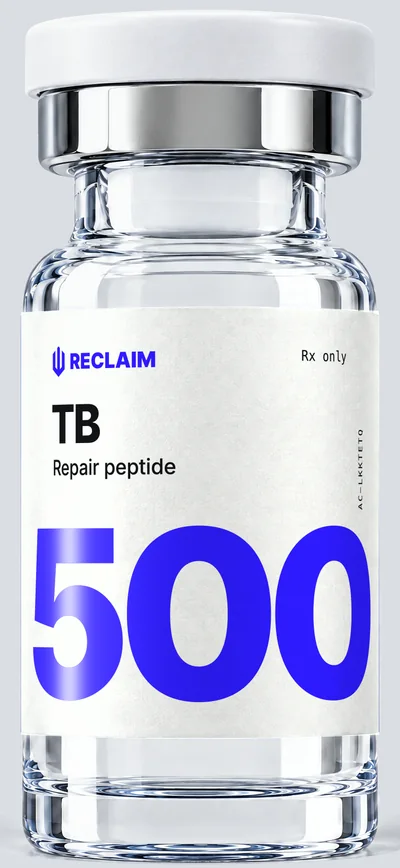
Sealed glass vialMade by a state-licensed U.S. pharmacy
Rx onlyPrescribed by a licensed U.S. provider
TB-500Thymosin β4 fragment
7 amino acidsThe actin-binding piece
TB-500
Start your comeback.
Prescription TB-500, made for you
Free online visit and provider review
TB-500 from a state-licensed U.S. pharmacy
Needles, alcohol pads and a dosing guide
Unlimited messaging with your care team
Free, discreet shipping
Coming soon
Only charged if a provider prescribes. Cancel anytime. Compounded medications are not FDA-approved.
How it works
From online visit to your door.
1. Tell us what’s going on
A few questions about your training, your injuries and your health. No insurance, no waiting room.
2. A provider reviews it
A licensed U.S. provider reviews your visit and prescribes TB-500 only if it’s right for you. You’re only charged if you’re prescribed.
3. It ships to your door
Your TB-500 ships free in discreet packaging. Message your care team any time.
In every box
Your TB-500 vial
Ultra-fine needles
Alcohol pads
Step-by-step guide
Dosing calendar
FAQ
Questions, answered.
TB-500 is a short peptide, seven amino acids long: the active, actin-binding piece of thymosin beta-4 (Tβ4), a repair protein found in nearly every cell in the body. Reclaim’s TB-500 is prescribed by a licensed U.S. provider after an online visit and made for you by a state-licensed U.S. pharmacy.
Muscle, tendon, ligament, bone and skin repair, new blood-vessel growth and inflammation. Most of that research used full-length thymosin β4, the protein TB-500 is cut from, and most of it is in animals. TB-500 itself hasn’t been tested for injuries in people, so results aren’t guaranteed.
No. Thymosin β4 is the full protein, 43 amino acids long. TB-500 is a seven-amino-acid piece of it, the region that binds actin. Much of the research quoted for TB-500 was done with the full protein, and those results don’t automatically apply to TB-500.
It’s the question everyone asks. TB-500 is studied for the repair behind the pain: muscle, tendon, ligament and bone, mostly in animals. In the one head-to-head study, in rats, TB-500 made healing Achilles tendons significantly stronger. There are no trials in people yet, so results vary and nothing is guaranteed. Your provider will tell you straight whether it makes sense for you.
They’re different peptides studied for overlapping things: BPC-157 mostly for blood-vessel growth and tendon cells, TB-500 for how repair cells move into an injury. In one 2026 rat study of Achilles tendons, only TB-500 significantly increased tendon strength, and using both together added nothing over TB-500 alone. Your provider can tell you which, if either, fits you.
Yes, and that’s how most people think about it: your rehab does the work, and TB-500 is studied for the tissue repair underneath it. Tell your physical therapist and your provider what you’re taking.
For any new, severe or worsening injury, yes. Get it diagnosed first: some injuries need imaging, a brace or surgery. Your Reclaim provider reviews your history before prescribing anything.
Peptides sold as “research use only” aren’t made or labeled for people, and there’s no way to know what’s really in the vial. Ours is prescribed for you after a provider review and made by a state-licensed U.S. pharmacy.
A small injection under the skin with an ultra-fine needle, on the schedule your provider sets. Your box comes with a step-by-step guide and a dosing calendar.
No. It’s a peptide, a short chain of amino acids. It isn’t a hormone or an anabolic steroid.
No. It’s compounded for you by a state-licensed U.S. pharmacy when a provider prescribes it. Compounded medications are not FDA-approved.
TB-500 and thymosin β4 are on the World Anti-Doping Agency’s prohibited list. If you’re drug-tested, talk to your provider before you start.
Your provider goes over possible side effects, such as irritation where you inject, and reviews your health history before prescribing. You can message your care team any time.
No. The online visit is free, and you’re only charged if you’re prescribed.
Yes, anytime from your account.
Get back to full speed.
Free online visit. A licensed U.S. provider decides if TB-500 is right for you.